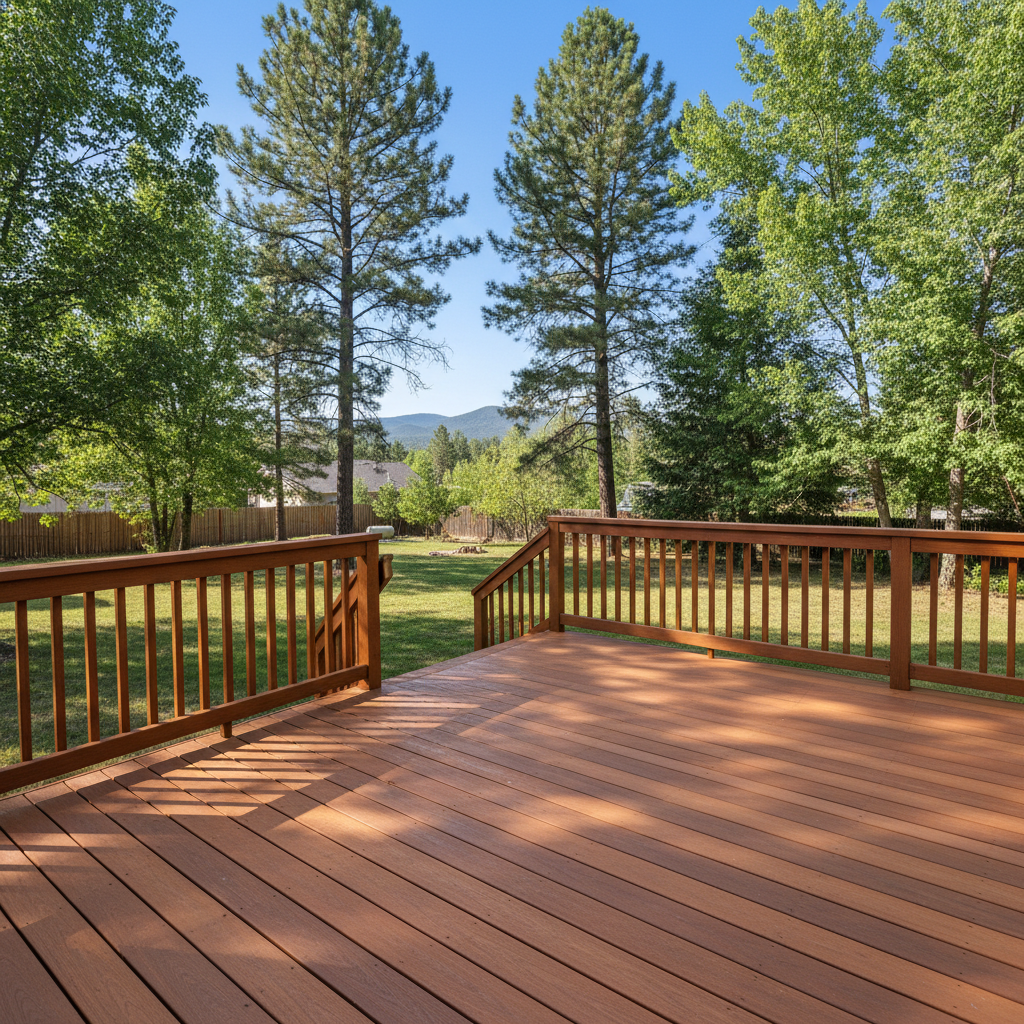
Your deck is more than just a few planks of wood; it's an extension of your home, a place for barbecues, morning coffee, and enjoying those incredible Flagstaff sunsets. But let's be real, our mountain climate is no joke on outdoor structures. The intense UV, heavy snow loads, and freeze-thaw cycles can really take a toll. So, how do you keep your deck from becoming a hazard or an eyesore? It boils down to smart maintenance and knowing when to call in the pros.
Extending Your Deck's Lifespan in Flagstaff
You want your deck to last as long as possible, right? The key here is proactive care, especially with our high-altitude sun and winter conditions. Regular cleaning is huge. I'm not talking about just sweeping; I mean a good scrub with a deck cleaner once or twice a year. This gets rid of mold, mildew, and dirt that can trap moisture and accelerate rot. For wood decks, re-sealing or re-staining every 2-3 years is non-negotiable. That protective layer is your deck's first line of defense against UV damage and water penetration. If you've got a composite deck, it's less about sealing and more about keeping it clean and checking for any surface damage.
Another big one for Flagstaff homes is managing snow and ice. Don't let snow pile up and sit on your deck for weeks. Shovel it off, but be careful not to gouge the surface with your shovel. Avoid using rock salt directly on your deck, especially wood, as it can be corrosive and dry out the material. Use a calcium chloride-based ice melt if you need something, but sparingly. Proper drainage is also critical. Make sure water isn't pooling anywhere on or under your deck. If you've got a deck that's close to the ground, especially common in neighborhoods like Cheshire or Fort Tuthill where homes might be built into a slope, ensure there's good airflow underneath to prevent moisture buildup and rot.
Your Regular Maintenance Checklist
Think of this as your seasonal tune-up for your deck. It's not complicated, but it makes a world of difference:
- Spring Cleaning: After the snow melts, give your deck a thorough wash. Check for any loose nails or screws and tighten them up. Inspect the surface for splinters or small cracks.
- Summer Checks: Keep an eye on your deck's finish. Is it fading? Is water still beading up, or is it soaking in? This tells you if it's time to re-seal. Also, check railings for stability – you don't want any wobbles when folks are leaning on them.
- Fall Prep: Before the first snow, clean your deck one last time. Clear off all leaves and debris, as these can trap moisture and cause staining or rot over winter. Make sure your gutters aren't dumping water directly onto your deck.
- Winter Watch: As mentioned, manage snow loads. Keep an eye out for ice dams forming on the deck surface, especially near the house.
And don't forget the area *around* your deck. Trim back any bushes or plants that are growing too close. Good air circulation is a deck's best friend.
Warning Signs You Can't Ignore
Your deck will tell you when it's hurting, if you know what to look for. These aren't just cosmetic issues; they can be safety hazards:
- Soft Spots or Rot: If you step on a board and it feels spongy, or if you can easily poke a screwdriver into the wood, you've got rot. This is serious and needs immediate attention.
- Cracked or Splintered Boards: Small cracks are normal with weathering, but large, deep cracks or excessive splintering can indicate structural issues or a need for replacement.
- Loose Railings or Posts: Grab a railing and give it a good shake. If it moves more than an inch or two, it's a problem. Loose posts, especially ledger boards attached to your house, are a major safety concern.
- Fungus or Mold Growth: While some surface mold can be cleaned, persistent or deep-seated fungal growth can indicate chronic moisture issues and wood decay.
- Wobbly Stairs: Stairs take a lot of abuse. If they feel unstable or if risers are separating, get them fixed.
- Corroded Fasteners: Look at the nails and screws. If they're rusted or popping out, they're losing their grip, and the wood around them might be compromised.
When to Call a Professional
Look, I'm a big believer in DIY, but some things are best left to the pros. You should definitely call someone like us at Flagstaff Deck Creations if:
- You suspect structural damage: If you see major cracks in support beams, posts, or the ledger board (the one connecting the deck to your house), don't mess around. This impacts the entire deck's safety.
- Extensive rot is present: A small patch of rot on a single board might be a DIY fix, but if it's widespread or affecting critical components, you need an expert assessment.
- Permit work is involved: If you're replacing major structural elements, adding new sections, or significantly altering the deck's footprint, you'll likely need permits. We know the local codes and can handle that.
- You're unsure about the cause of a problem: Sometimes a symptom (like a wobbly post) is just that – a symptom of a deeper issue you might not spot. A professional can diagnose the root cause.
- You're uncomfortable or lack the right tools: Deck repair can involve heavy lifting, specialized tools, and working at heights. If you're not confident, it's safer to hire help.
Your deck is a big investment and a key part of your home. Keeping it in good shape isn't just about curb appeal; it's about safety for your family and friends. A little attention now can save you a lot of headache and money down the road.